The next ten years will be crucial to tackling the effects of climate change and putting nature into recovery mode. Those are the alarming words of Gloucestershire Wildlife Trust.
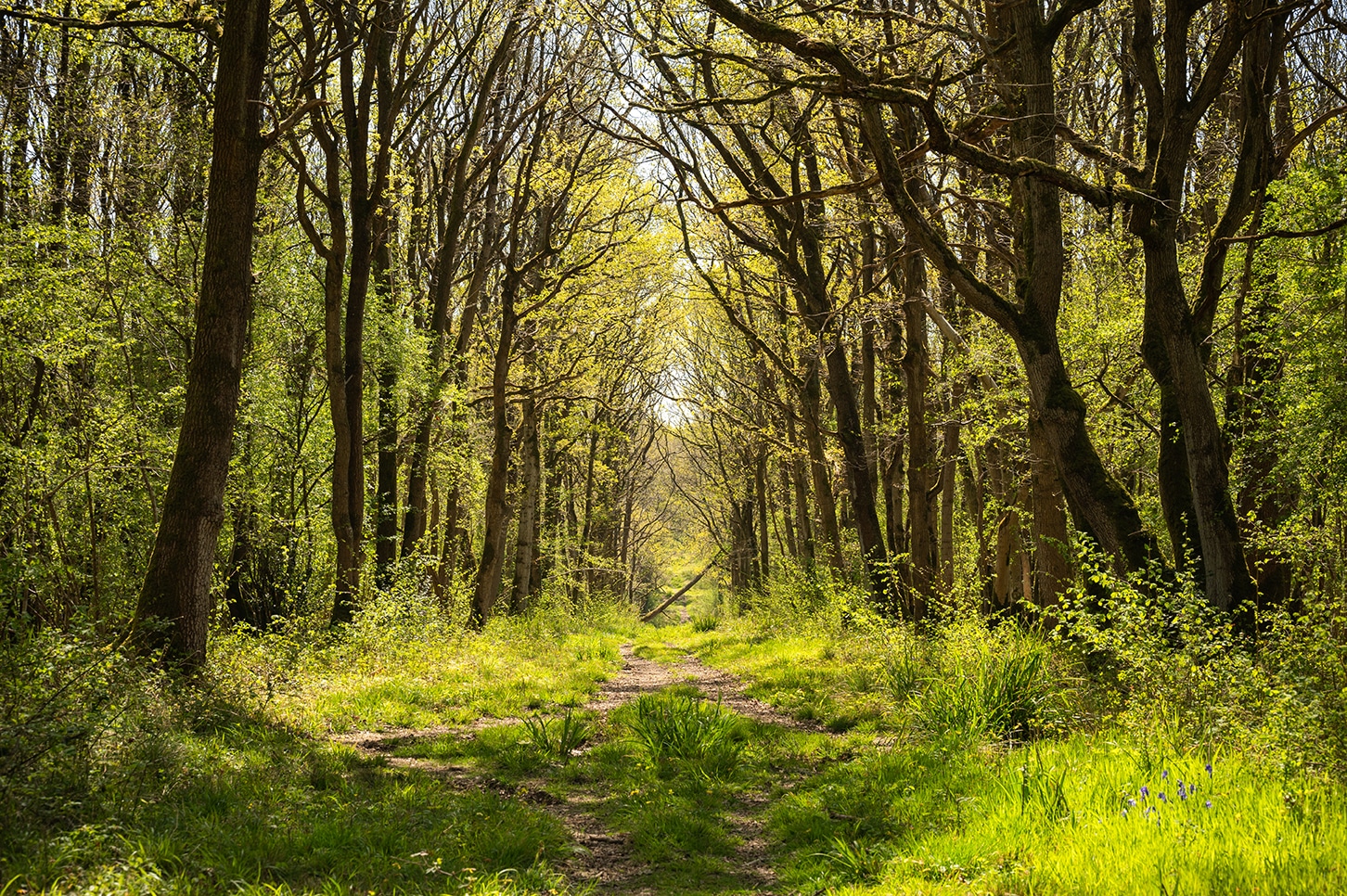
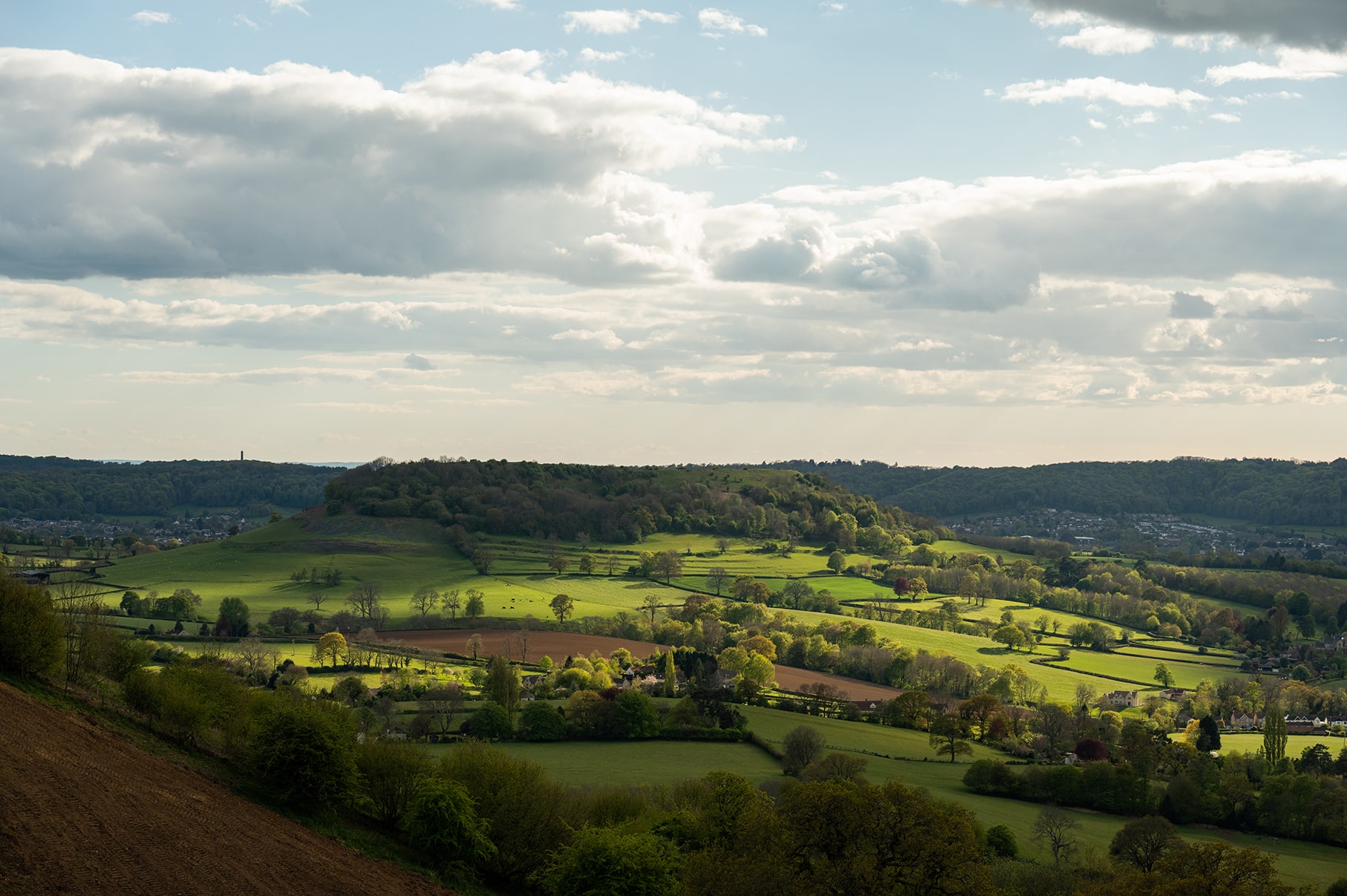
Our local conservation charity which helps to protect more than 1,000 hectares of Gloucestershire’s wild spaces. Including Coaley Peak, which looks down onto our headquarters, and the ancient Laurie Lee Wood, named after the poet who lived close by. It’s the reason why we have chosen to partner with the Trust since 2022.

Gloucestershire Wildlife Trust says its mission is to simply value nature, but its ambition is to ‘preserve, recreate and reconnect’ Gloucestershire’s wild places. Interestingly, we’re in good company. Five percent of Gloucestershire households are members of the Trust – one of the highest membership figures for the whole of the UK.
Their work has led to the landmark reintroduction of the elusive Pine Marten into the Forest of Dean, and the Large Blue Butterfly to the ancient grasslands of Daneway Banks, where the biggest population in the world has since been recorded.
Countryfile presenter, and local, Ellie Harrison, is their President and she comments in their latest film: “We are looking to the future. The next 10 years will be crucial, and we’ll be working harder than ever. We’ll be connecting green spaces for wildlife in seven towns across Gloucestershire. We’ll be enhancing healthy rivers, which in turn prevents local flooding. We’ll be helping farmers, supporting them to create more space for wildlife and offering natural solutions to address the climate emergency.
“We’re working for a wilder Gloucestershire, more wildlife, more wild places and more of us living the wilder life.”
The Trust has told us that, in Gloucestershire alone, 41% of insect species are under threat of extinction and less than 2% of our wildlife-rich grasslands remain since 1940s. Now they are chasing a ‘net zero’ for nature, and as a carbon negative company we understand this.
As part of this ambition, they aim to give over 30% of Gloucestershire’s land to nature by 2030. Shifting their focus from protection to recovery. To do this they have moved away from protecting some of their smaller, more fragmented reserves to concentrate on bigger, more joined up ‘nature recovery zones’: “This new approach will enable Gloucestershire Wildlife Trust to increase the amount of land managed for wildlife through its work from 1078 hectares to more than 2,000 hectares within five years. On top of this, GWT aims to deliver 5,000 hectares of new wildlife-rich habitat by working in partnership with farmers, landowners and local communities.”
Which is where we come in. Local businesses like ours, with smaller parcels of land, are able to do our bit to recover and protect wild spaces which the Trust cannot afford or physically get to. Yes, we will be helping to fund the charity’s work financially through our partnership, but more importantly we will be able to share our expertise both ways, our resources, our audiences – you – and our motivation to make Gloucestershire wilder.